A royal wedding dress is a custom-designed bridal gown created for a member of royalty or aristocracy, often crafted by renowned designers and characterized by exceptional craftsmanship, historical significance, and meticulous attention to protocol and tradition. These gowns represent the pinnacle of bridal design, blending personal style with national symbolism, diplomatic considerations, and centuries of wedding tradition.
For Canadian brides searching for royal wedding dress inspiration in 2026, these iconic gowns offer far more than celebrity admiration. They provide a masterclass in timeless elegance, expert construction techniques, and the art of honoring heritage while expressing individuality. From Princess Grace Kelly’s lace-sleeved perfection to Meghan Markle’s minimalist sophistication, royal brides have consistently demonstrated how to balance grandeur with personal authenticity, a lesson that translates beautifully across budgets and wedding styles.
What makes royal wedding dresses particularly relevant for today’s Canadian brides is their emphasis on meaningful details. Every element, from fabric choice to embroidery placement, tells a story. Catherine, Princess of Wales incorporated Irish shamrocks into her lace to honor her future role. Queen Rania of Jordan chose a gown that respected both Western bridal traditions and Middle Eastern modesty. These thoughtful design choices mirror the same questions Canadian brides ask themselves: How do I honor my cultural background? What details reflect my values? How can my dress feel both personal and appropriate for a formal celebration?
This guide explains what defines a royal wedding dress, how these gowns are designed and created, the distinct styles that have emerged across different monarchies and eras, and practical ways to translate royal inspiration into your own wedding vision through Canadian designers and boutiques. Whether you’re drawn to Victorian romance, modern simplicity, or culturally hybrid designs, understanding the elements that make royal gowns unforgettable will help you create a look that feels both aspirational and authentically yours.
What a Royal Wedding Dress Means
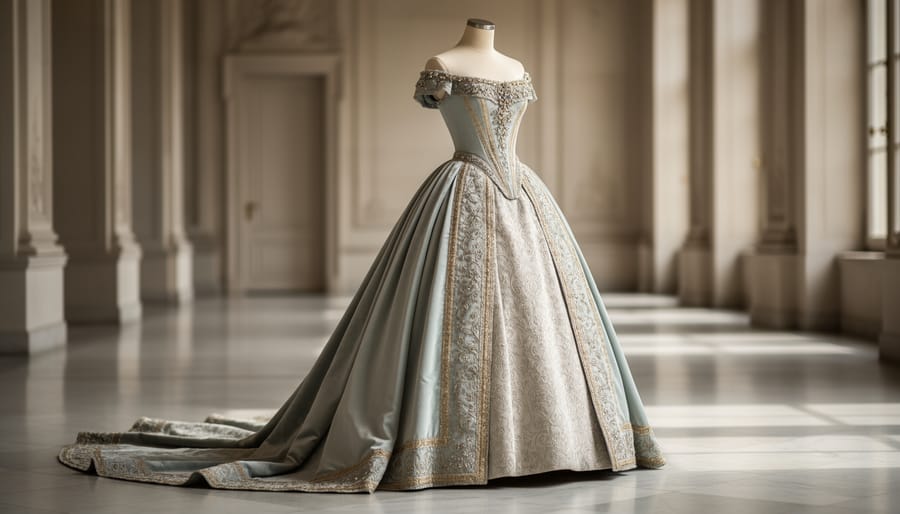
A royal wedding dress is more than a bridal gown. It’s a garment designed for a member of a royal family, whether a princess, duchess, queen-to-be, or other titled individual, worn during a state ceremony that combines personal celebration with official duty. These dresses differ fundamentally from other wedding gowns because they must satisfy requirements beyond the bride’s preferences: they represent a nation, acknowledge diplomatic relationships, honour family heritage, and create a visual legacy meant to endure for generations.
What sets these gowns apart starts with their creation. Royal wedding dresses typically take months to design and construct, involving teams of artisans, embroiderers, and specialized craftspeople. The fabrics often carry symbolic weight, silk produced domestically, lace with historical provenance, or materials gifted by Commonwealth nations. Every detail faces scrutiny: sleeve length might nod to modesty standards, colour choices can reference national symbols, and incorporated motifs frequently tell stories about the bride’s background or the couple’s shared values.
- Court Train
- An exceptionally long train, often several meters, attached at the shoulders or waist, designed to create dramatic visual impact during processional moments and photographs while requiring attendants to manage.
- Tiara Protocols
- The formal rules governing when, how, and which tiaras royal brides may wear, typically restricted to married women and often borrowed from family collections with centuries of history.
- State Symbolism
- Design elements deliberately chosen to represent national identity, such as emblematic flowers embroidered into lace, colours from a country’s flag, or silhouettes reflecting cultural dress traditions.
- Cathedral Veil
- A veil extending beyond the train’s length, creating a flowing, ethereal effect as the bride moves. This dramatic accessory amplifies the ceremony’s grandeur and provides iconic imagery.
The cultural significance runs deeper than aesthetics. Royal weddings function as public events, often broadcast globally, where millions witness not just a marriage but a moment of national pride and continuity. The dress becomes shorthand for that entire experience. When Grace Kelly married Prince Rainier in 1956, her gown’s demure elegance defined mid-century bridal ideals. When Meghan Markle chose a minimalist Givenchy design in 2018, it sparked conversations about modern royal identity and broke from expected traditions.
These dresses capture attention because they balance impossible contradictions. They must look fresh yet timeless, honour the past while signalling the future, satisfy conservative expectations while reflecting the bride’s authentic self, and cost what they cost while appearing appropriately restrained. That tension makes them fascinating. Canadian brides see these gowns and recognize both the aspiration, the craftsmanship, the confidence, the once-in-a-lifetime grandeur, and the challenge of translating that scale into something personal and achievable for their own wedding days.
How Royal Wedding Dress Design Works
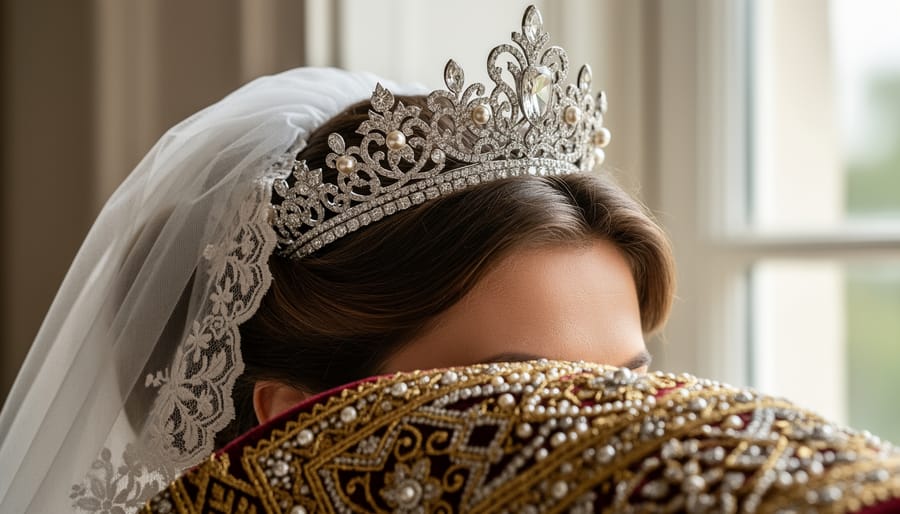
Creating a royal wedding dress isn’t like ordering a typical bridal gown. The process begins months, sometimes more than a year, before the ceremony, with the selection of a designer who understands both the bride’s vision and the unique pressures of designing for royalty. Rather than simply choosing a favorite designer, royal brides often consider who can balance their personal style with the expectations of representing a nation, respecting cultural traditions, and creating a gown that will be photographed from every angle and analyzed for decades.
Once a designer is chosen, the collaboration becomes intensely detailed. Fittings can number in the dozens as the dress takes shape through careful adjustments. Unlike conventional bridal design, where the focus centers primarily on flattering the bride, royal wedding gowns must also consider how the dress will appear in procession, during religious ceremonies with specific protocols, and through hours of public viewing. Will the train lie smoothly in a carriage? Can the bride move comfortably while wearing a tiara and heavy veil? These practical considerations intersect with deeply symbolic choices about fabric, color, and embellishment.
The constraints facing royal dress designers are substantial. Royal guidelines shape designs in ways most brides never consider: modesty standards for religious venues, appropriate coverage for state occasions, and the need to honor both tradition and the bride’s heritage. A sleeve length, neckline depth, or train measurement might carry diplomatic weight. Designers often incorporate symbolic elements, lace from a specific region, embroidery techniques that celebrate cultural heritage, or fabrics woven in particular ways, that tell a story about the bride’s background and her new role.
This delicate balance between honoring the past and expressing contemporary style explains why successful royal wedding dresses feel both timeless and fresh. The designer must create something that respects centuries of tradition while allowing the bride’s personality to shine through. It’s this thoughtful, layered approach, where every detail carries meaning beyond aesthetics, that gives royal wedding dresses their lasting impact and makes them templates for bridal inspiration worldwide, including here in Canada where brides admire both the craftsmanship and the meaningful design choices.
Iconic Styles: Royal Wedding Dress Categories
Classic Princess Silhouettes
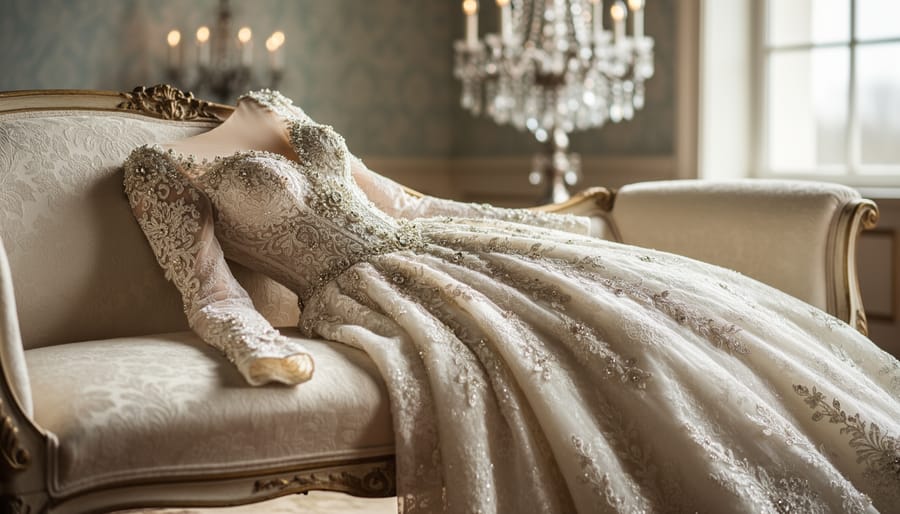
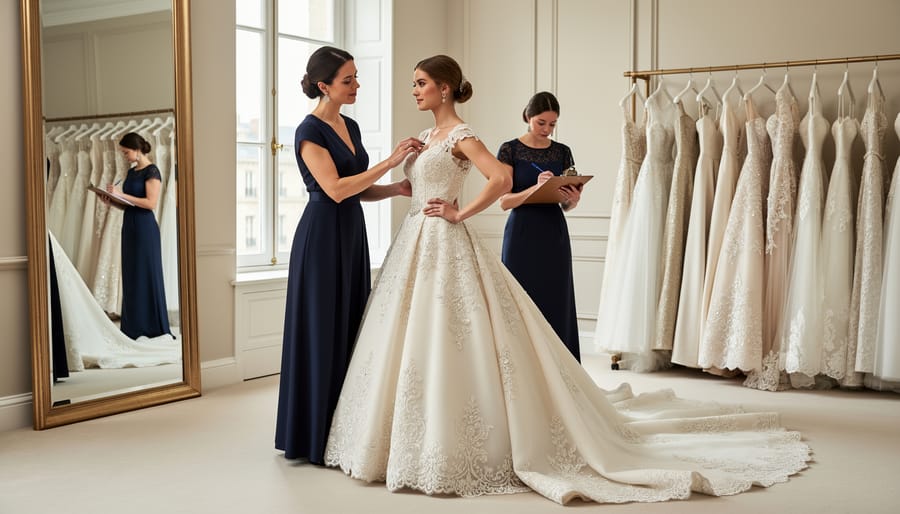
The classic princess silhouette remains the most recognizable form of royal wedding dress, defined by its dramatic full skirt that creates an unmistakable fairytale silhouette. These gowns typically feature fitted bodices that emphasize the waist before flowing into voluminous skirts constructed from layers of silk, satin, or tulle. Think of Princess Diana’s 1981 dress with its 25-foot train and puffed sleeves, or Princess Eugenie’s structured Peter Pilotto gown that balanced volume with clean lines.
Canadian brides drawn to this romantic aesthetic often work with designers who understand how to adapt the grandeur for different venues. A full ballgown that works beautifully in a grand hotel ballroom might overwhelm an intimate garden ceremony, so local designers frequently modify proportions while maintaining the essential drama. The structured bodice element translates particularly well, offering support and elegance that photographs beautifully.
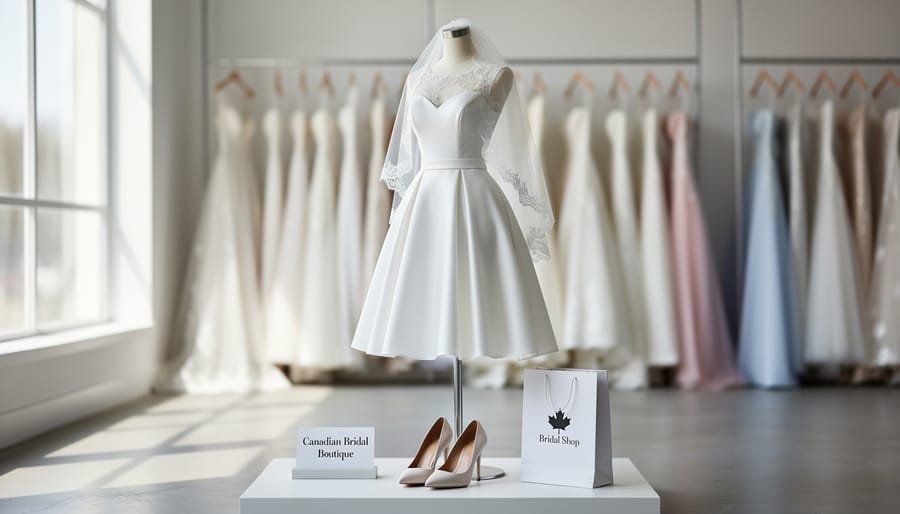
While these voluminous styles dominate royal wedding imagery, some royal brides have chosen short royal styles for receptions or secondary celebrations, proving the princess silhouette can work at any length. The key details, quality fabrics, precise tailoring, and thoughtful embellishment, matter more than the amount of fabric.
This style continues influencing Canadian bridal fashion through details rather than direct replication. Brides incorporate elements like portrait necklines, statement sleeves, or strategic beading that reference royal elegance without requiring a palace-sized venue.
Modern Minimalist Royal Gowns
The shift toward modern minimalism in royal wedding fashion represents a departure from ornate tradition, favoring refined simplicity that lets the bride’s natural elegance take center stage. These contemporary royal gowns demonstrate that impact doesn’t require embellishment, sometimes the most memorable statements come from restraint.
Meghan Markle’s 2018 Givenchy gown epitomizes this aesthetic. The boat neckline, sculpted bodice, and unadorned silk created a strikingly sophisticated silhouette that felt both fresh and timeless. The absence of lace, beading, or excessive detail allowed the fabric’s quality and the gown’s architectural precision to speak for themselves. This approach resonated deeply with brides who appreciate understated luxury over visual complexity.
Princess Charlene of Monaco’s 2011 Armani Privé wedding dress took minimalism further with its high collar, covered buttons running the length of the back, and absolutely no embellishment. The gown’s drama came entirely from its architectural structure and the bride’s confidence wearing it.
These sleek royal choices appeal particularly to Canadian brides planning modern urban weddings or intimate celebrations where they want their personality, not their dress, to dominate the day. The minimalist approach also photographs beautifully across different settings, from Vancouver lofts to Toronto galleries, without competing with architectural backdrops.
For Canadian brides drawn to this aesthetic, the focus shifts to impeccable fit, luxurious fabric, and thoughtful tailoring rather than decorative elements.
Culturally Significant Designs
Royal wedding dresses often serve as powerful statements of cultural identity, weaving together national heritage, family traditions, and symbolic meaning into their design. These gowns go beyond fashion to become historical documents that honor ancestry, celebrate craftsmanship, and bridge past and present.
Queen Rania of Jordan’s wedding dress featured intricate Palestinian embroidery that paid tribute to her heritage, while Princess Mako of Japan incorporated traditional silk weaving techniques passed down through generations. Bhutan’s Queen Jetsun Pema wore a silk kira adorned with traditional patterns that held deep spiritual significance in Bhutanese culture. These choices demonstrate how royal brides use their wedding attire to honor their roots while stepping into new roles.
Cultural elements frequently woven into royal wedding dress design include:
- Hand-crafted lace techniques specific to particular regions or countries
- Traditional embroidery methods like Palestinian tatreez, Indian zardozi, or Japanese sashiko
- Symbolic motifs representing prosperity, fertility, protection, or family lineage
- Heritage fabrics such as silk brocade, indigenous weaves, or locally-sourced materials
- National flowers, emblems, or patterns incorporated into the design
This approach resonates deeply within Canada’s multicultural bridal community, where many couples seek to honor their diverse backgrounds. A bride might incorporate her grandmother’s sari fabric into her veil, feature Indigenous beadwork on her gown, or commission embroidery that reflects her family’s country of origin. Canadian designers increasingly specialize in blending cultural elements with contemporary bridal silhouettes, creating gowns that feel both timeless and deeply personal. These culturally-rooted designs prove that the most memorable wedding dresses tell a story, one that connects the bride to her heritage, her community, and the generations that came before her.
How Canadian Brides Apply Royal Wedding Inspiration
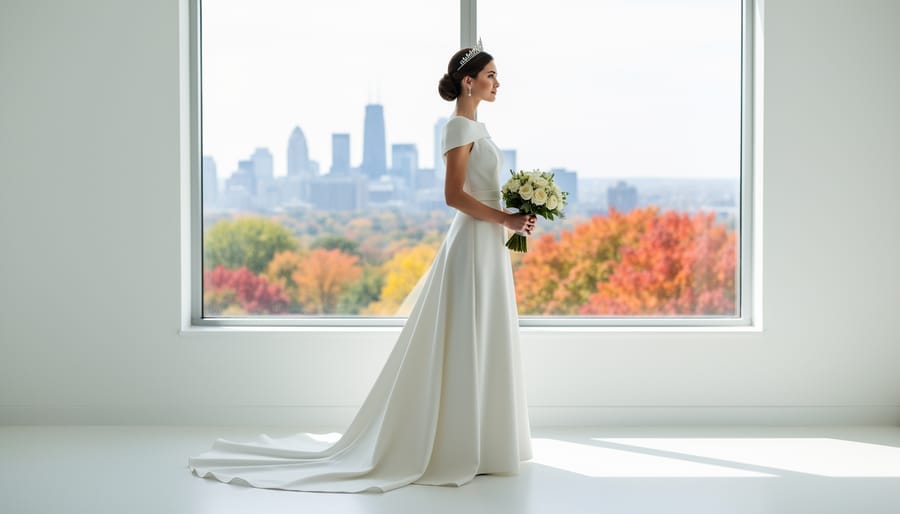
Canadian brides have mastered the art of translating royal wedding glamour into celebrations that feel both inspired and authentically their own. Rather than replicating an entire royal look, most brides select one or two signature elements, a lace sleeve detail reminiscent of Catherine Middleton’s gown, a structured bodice echoing Meghan Markle’s bateau neckline, or intricate embroidery inspired by Queen Rania’s cultural wedding attire, then work with local designers to adapt these features to their personal style and wedding vision.
Budget plays a significant role in how these inspirations come to life. A bride planning a garden wedding in Victoria might choose a simpler silhouette in quality crepe or silk, then invest in a custom cathedral veil with delicate lace edging that channels royal elegance without the full ballgown commitment. Others working with boutique designers in Toronto or Montreal find that selecting royal-inspired lace appliqués or hand-beading for key areas like the bodice or train creates impact while keeping alterations manageable. Canadian bridal salons increasingly offer customization options that let brides add royal touches, detachable trains, convertible sleeves, or structured underskirts, to existing designs.
Venue considerations shape these choices too. The formal grandeur of a château wedding in Quebec naturally accommodates fuller skirts and dramatic trains, while a Rocky Mountain ceremony calls for streamlined silhouettes that photograph beautifully against vast landscapes without overwhelming the natural setting. Brides marrying in heritage buildings across Ottawa or Halifax often embrace structured, regal necklines and long sleeves that complement historic architecture, whereas West Coast celebrations tend toward softer royal references like flowing silk, botanical lace patterns, or cape details that move gracefully in ocean breezes.
Cultural heritage adds another dimension. Many Canadian brides blend royal wedding elements with traditions from their own backgrounds, pairing a Western-style gown inspired by European royalty with a South Asian ceremony outfit featuring similar levels of embellishment and craftsmanship, or incorporating Indigenous beadwork patterns into a structured bodice design. This fusion reflects both the multicultural reality of Canadian weddings and the understanding that royal families worldwide have their own distinct bridal traditions worth celebrating.
The key is selecting elements that enhance rather than define the entire look. A bride might choose royal-inspired hair styling and a tiara for the ceremony, then switch to looser waves for the reception. She might wear a minimalist sheath dress with a dramatic royal-style cape for maximum versatility. These thoughtful adaptations let Canadian brides honor the elegance and craftsmanship of royal wedding fashion while creating looks that work for their real lives, budgets, and celebrations.
Royal-Inspired Beauty and Styling
Royal weddings showcase beauty choices that feel both timeless and personal, polished looks that photograph beautifully from every angle while staying true to the bride’s natural features. Canadian beauty professionals consistently see brides requesting these refined approaches, adapting signature royal elements to suit everything from intimate Maritime ceremonies to grand celebrations in Toronto ballrooms.
The hallmarks of royal wedding beauty have remained remarkably consistent across generations:
- Soft, face-framing updos or half-up styles that support tiaras and veils while highlighting elegant necklines
- Natural-looking makeup with emphasis on glowing skin, defined brows, and soft pink or nude lips that photograph well
- Statement jewelry pieces that tell a story, borrowed family heirlooms, meaningful gifts, or pieces that honor cultural heritage
- Layered accessories combining tiaras or headpieces with cathedral-length veils for ceremony impact
- Coordinated details that tie the entire look together, from earrings that complement the dress neckline to pieces that match your rings
Canadian brides translate these elements with regional flair. Vancouver stylists might pair sleek, rain-proof updos with West Coast-inspired jewellery featuring Canadian jade or pearls. Prairie brides often choose styles that withstand wind and weather while maintaining elegance for outdoor prairie chapel ceremonies. Montreal beauty professionals excel at incorporating European influences, think soft, romantic waves secured with vintage-inspired combs rather than tiaras.
The royal approach to beauty centers on enhancing rather than transforming. Your makeup artist should understand your skin’s natural undertones and work with them, creating a polished version of yourself that feels comfortable for twelve hours of celebration. Hair should be secure enough to survive dancing, hugs, and weather shifts while still moving naturally in photographs. Many Canadian stylists now offer trial sessions that include outdoor photo tests, walking through gardens or standing by windows, to ensure your look holds up in real wedding conditions, just as royal beauty teams plan for carriage rides and balcony appearances.
Finding Your Royal-Inspired Look in Canada
Finding a royal-inspired wedding dress in Canada means you don’t have to choose between international elegance and local expertise. Canadian designers and boutiques excel at translating royal wedding elements into gowns that work beautifully for our unique wedding landscape.
Start your search with established Canadian bridal ateliers in major cities. Toronto, Vancouver, and Montreal host designers who regularly create custom gowns with royal-inspired details like structured bodices, dramatic trains, and intricate lace. Many offer alterations services that adapt international designer pieces to Canadian body types and preferences. Book appointments well in advance, truly custom work often requires six to nine months, similar to the timelines royal brides follow.
Boutiques across Canada now carry collections from designers who’ve dressed royals or specialize in regal aesthetics. Ask about trunk shows featuring designers known for elegant, sophisticated silhouettes. The royal gown cost varies dramatically depending on whether you choose an international designer, a Canadian couturier, or work with a skilled seamstress to recreate elements you love.
Consider Canada’s wedding contexts when making choices. Outdoor venues from British Columbia vineyards to Ontario estates require different train lengths and fabric weights than ballroom ceremonies. If you’re planning a winter wedding, collaborate with your designer on sleeve options or coordinating cover-ups that maintain regal elegance while keeping you comfortable. For multicultural celebrations, seek designers experienced in blending royal inspiration with cultural elements, many Canadian ateliers specialize in fusion designs that honor multiple traditions.
Connect with local embroiderers, beaders, and millinery artists who can add royal touches to simpler gowns, transforming accessible pieces into something truly special.
Common Questions About Royal Wedding Dresses
Common Questions About Royal Wedding Dresses
Canadian brides researching royal wedding inspiration often have practical questions about translating regal elements into their own celebrations. Here are answers to the most common queries.
What makes a wedding dress “royal-inspired” versus just formal?
Royal-inspired dresses incorporate specific design signatures like structured bodices, long sleeves, dramatic trains, heirloom lace, or meaningful embroidery that tells a story. The distinction lies in the intentional symbolism and craftsmanship rather than simply being elaborate or expensive.
Can I wear a tiara if I’m not royalty?
Absolutely. Many Canadian brides wear tiaras, especially for formal or ballroom weddings. The key is choosing a piece that complements your dress and feels authentic to your style rather than costume-like.
How much do royal wedding dresses actually cost?
Actual royal gowns range from $400,000 to over $2 million when accounting for designer fees, specialized materials, and months of handwork. Canadian brides can capture similar elegance at $3,000 to $15,000 through skilled designers who understand royal construction techniques without the palace protocol premium.
Where can I find royal-inspired wedding dresses in Canada?
Look for Canadian bridal designers who specialize in couture construction and custom work, particularly those trained in European techniques. Many boutiques from Toronto to Vancouver carry designers known for structured, elegant gowns with the craftsmanship associated with royal style.
Balancing tradition with personal expression remains the biggest consideration for brides drawn to royal aesthetics. You might love Kate Middleton’s lace sleeves but prefer a less formal venue, or admire Meghan Markle’s simplicity while wanting more embellishment. The solution lies in identifying which specific elements resonate with you, whether that’s a particular neckline, sleeve style, or fabric choice, and building your look around those anchor pieces.
Consider how royal elements work within your complete wedding vision. A cathedral-length train makes sense for a formal church ceremony but might feel impractical for a vineyard wedding in the Okanagan. Similarly, you can personalize vows and other ceremony elements while maintaining regal styling for your dress and overall aesthetic.
The beauty of royal wedding inspiration in Canada’s diverse bridal landscape is the freedom to adapt these elements authentically. You’re not recreating a palace wedding, you’re borrowing the aspects that speak to your story and translating them through your own cultural lens, budget, and celebration style.
Royal wedding dresses have shaped bridal fashion for generations, and their influence continues to ripple through Canadian wedding culture in beautiful, unexpected ways. From the structured elegance of classic silhouettes to the cultural storytelling woven into modern designs, these iconic gowns offer endless inspiration for brides across our country.
What makes this inspiration so powerful for Canadian brides isn’t about recreating a royal look exactly. It’s about understanding what draws you to certain elements, whether that’s the romance of delicate lace, the confidence of a minimalist silhouette, or the pride of incorporating your cultural heritage, and making those details your own. The most memorable wedding looks blend aspiration with authenticity.
Canada’s diverse bridal landscape means your royal-inspired wedding can look a hundred different ways. A ball gown paired with your grandmother’s jewelry. A sleek modern dress complemented by traditional henna. A locally designed gown that captures both timeless elegance and your personal style. The beauty lies in creating something that feels uniquely yours while drawing from the artistry and craftsmanship that make royal weddings so captivating.
Your wedding dress should tell your story, not someone else’s. Let royal wedding inspiration guide you toward discovering what makes you feel most like yourself, confident, beautiful, and ready to celebrate this moment surrounded by the people you love. That’s the real magic worth capturing.